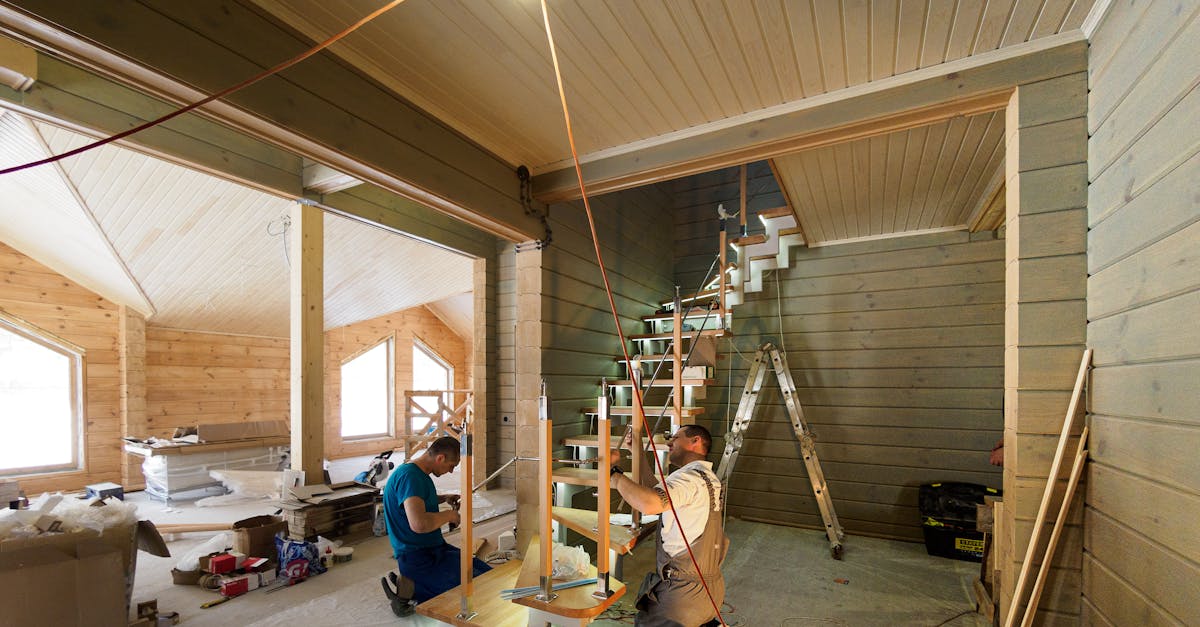
How to Choose the Right Carpentry Service for Your Business
Table Of Contents
Checking References and Past Work
Gathering references and examining past work are essential steps in selecting the right carpentry service. Start by asking potential contractors for a list of references. Reach out to these contacts to gain insight into their experiences, focusing on the quality of workmanship, adherence to timelines, and overall satisfaction. Not only do references provide firsthand accounts of a contractor’s reliability, but they also highlight strengths and weaknesses that may not be immediately apparent during initial meetings.
Evaluating a carpenter's portfolio is another crucial aspect. A comprehensive portfolio should showcase a variety of completed projects that reflect the quality and style of work. Pay attention to the details in the craftsmanship and the diversity of past jobs, as a well-rounded portfolio can indicate versatility and skill. Consider also looking for client testimonials included in the portfolio that reinforce the quality of service provided.
How to Evaluate a Carpenter’s Portfolio
A carpenter's portfolio serves as a visual testament to their skills and experience. When reviewing this portfolio, look for diversity in projects, ranging from residential to commercial work. Each piece should showcase quality craftsmanship, attention to detail, and creativity. Pay close attention to the finishes, joints, and overall design elements incorporated into their previous work. This assessment will reveal not only their technical capabilities but also their aesthetic sensibility.
Consider the context of each project included in the portfolio. An effective portfolio should highlight specific challenges faced and how the carpenter overcame them. Customer testimonials can provide insight into the carpenter's professionalism and reliability during the project. Evaluating these factors together will help in determining whether the carpenter possesses the necessary experience and versatility to meet your business needs.
Ensuring Compliance with Local Regulations
Understanding local regulations is crucial when selecting a carpentry service. These regulations often encompass building codes, safety standards, and zoning laws that can vary significantly between regions. A reputable carpenter will be knowledgeable about these requirements and ensure that all work complies with local rules. This not only avoids legal complications but also guarantees the safety and longevity of the structures being built or renovated. Failure to adhere to these regulations can lead to costly fines or the necessity to redo completed work, impacting both timelines and budgets.
It is wise to verify that a carpentry service possesses the necessary licenses, permits, and insurance. This documentation serves as proof that the contractor operates within the law and adheres to industry standards. Before signing any agreements, request evidence of compliance. A professional carpenter will be happy to provide this information, demonstrating their commitment to quality workmanship. This proactive approach can save your business from unexpected issues down the line.
Navigating Building Codes and Safety Standards
When selecting a carpentry service, understanding local building codes and safety standards is crucial. These regulations ensure that any construction work is carried out safely and meets the minimum legal requirements. Compliance with these codes can also prevent potential fines or legal issues down the line. It's advisable to ask prospective carpenters about their familiarity with local laws and how they ensure adherence throughout the project.
Navigating the complexities of building codes may seem daunting. A reliable carpenter will possess a thorough understanding of the specific regulations in your area, as well as the necessary permits required for the work. They should also be aware of safety standards that protect workers and future occupants. Seeking a carpenter who prioritises compliance will enhance the likelihood of a successful and risk-free project completion.
Communication and Customer Service
Effective communication is a cornerstone of successful carpentry projects. When selecting a service, consider how promptly and clearly the carpenter responds to your inquiries. A professional who takes the time to understand your needs and keeps you informed at every stage of the project can greatly reduce the potential for misunderstandings. Look for a carpenter who actively listens and demonstrates genuine interest in your vision. This approach helps establish a strong working relationship built on trust and transparency.
Customer service extends beyond initial meetings and discussions. It encompasses the entire project experience, including handling any unexpected issues that may arise. A reliable carpenter will remain approachable and willing to discuss concerns, ensuring that adjustments can be made as needed. Checking reviews or testimonials from previous clients can provide insights into how well a carpenter prioritises customer satisfaction and whether they maintain a high standard of service throughout the project.
The Role of Clear Communication in Successful Projects
Effective communication lays the groundwork for a successful carpentry project. It enables both the client and the carpenter to set clear expectations, allowing each party to understand their roles and responsibilities. Detailed discussions about project timelines, budgets and specific design preferences help mitigate confusion. Establishing a shared vision at the outset increases the likelihood of achieving satisfactory results.
Regular updates throughout the project keep everyone on the same page. Scheduling check-ins helps address any emerging concerns promptly and ensures that adjustments can be made as needed. Transparent dialogue fosters trust and collaboration, which can lead to a more enjoyable experience for both the client and the carpenter. A proactive approach to communication ultimately enhances the quality of the finished work.
FAQS
What should I look for when checking references for a carpentry service?
When checking references, inquire about the carpenter's reliability, quality of work, adherence to deadlines, and overall client satisfaction. It's also helpful to ask if the projects were completed within budget and if any issues arose during the process.
How can I effectively evaluate a carpenter’s portfolio?
To evaluate a carpenter’s portfolio, look for a diverse range of completed projects that demonstrate their skills and expertise. Pay attention to the quality of craftsmanship, design aesthetics, and any innovative solutions they provided for previous clients.
Why is it important to ensure compliance with local regulations when hiring a carpenter?
Ensuring compliance with local regulations is crucial as it helps avoid potential legal issues, fines, or project delays. A compliant carpenter will be familiar with local building codes and safety standards, ensuring your project meets all necessary requirements.
What are some common building codes and safety standards I should be aware of?
Common building codes and safety standards may include regulations regarding structural integrity, fire safety, accessibility, and environmental impact. Familiarising yourself with these codes can help you communicate effectively with your carpenter about your project needs.
How can clear communication improve the outcome of my carpentry project?
Clear communication helps establish expectations, reduces misunderstandings, and ensures that both you and the carpenter are aligned on project goals. It fosters a collaborative environment, making it easier to address any concerns or changes that may arise during the project.
Related Links
Innovative Design Ideas for Commercial SpacesCustom Solutions for Retail Spaces in Geelong
The Importance of Compliance in Commercial Carpentry Works
Enhancing Aesthetic Appeal with Commercial Joinery
Factors to Consider When Planning a Commercial Carpentry Project
The Role of Carpenters in Sustainable Commercial Building
Best Practices for Maintaining Workplace Safety During Carpentry