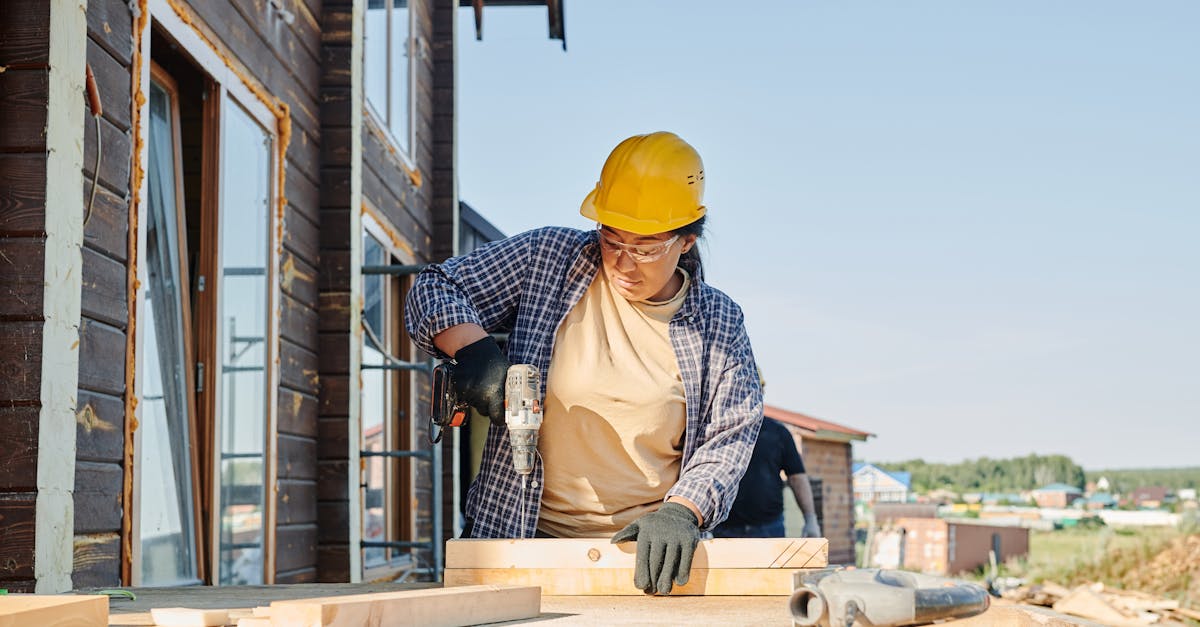
The Importance of Precision in Joinery Skills
Table Of Contents
Training and Development in Joinery
Investing in training and development is crucial for anyone pursuing a career in joinery. Apprenticeships offer hands-on experience, allowing learners to work under the guidance of seasoned professionals. This practical exposure not only hones technical skills but also fosters an understanding of materials and design principles. Workshops and formal education programs further enhance competence, covering essential topics like safety protocols, tool usage, and craftsmanship techniques.
Continual professional development is equally important in this field. Workshops and courses focusing on emerging trends and techniques allow joiners to stay current with industry standards. Networking events and trade shows provide opportunities for skilled tradespeople to share knowledge and learn from one another. Emphasising a commitment to lifelong learning ensures that joiners can adapt and thrive in an ever-evolving marketplace.
Building Skills for Precision Work
Developing precision in joinery relies heavily on practice and discipline in the use of tools and techniques. Craftsmen must learn to not only handle their instruments effectively but also to understand the materials they work with. Different types of wood and composite materials react uniquely to cutting and shaping. Mastery comes from consistent practice, allowing individuals to familiarise themselves with their tools, adjust their methods, and ultimately enhance the quality of their work.
Attention to detail is crucial in this craft. Accurate cutting, shaping, and assembling of materials can make a significant difference in the final product's stability and aesthetics. Joiners benefit from a strong foundation in fundamental skills, such as measuring and marking accurately. Regular training sessions and workshops foster an environment where skills are honed. Collaborating with experienced professionals provides invaluable insights and techniques that are difficult to gain through self-directed learning.
The Role of Technology in Modern Joinery
Advancements in technology have transformed the landscape of joinery, introducing tools that significantly enhance accuracy and efficiency. Computer-aided design (CAD) software allows craftsmen to create detailed plans and visualisations. This kind of precision is vital in ensuring that every piece fits together seamlessly. Furthermore, automated cutting machines increase production speed while maintaining high standards of measurement.
The integration of digital tools has not only improved the manufacturing process but also revolutionised how joiners approach their craft. Laser measuring devices now enable professionals to take extremely precise measurements, reducing the margin for error. Such technology ensures that every component is crafted to the exact specifications needed for modern construction projects. This emphasis on precision ultimately leads to better quality outcomes and satisfied clients.
Digital Tools for Enhanced Accuracy
Advancements in technology have introduced a range of digital tools that significantly enhance the accuracy of joinery work. Laser distance meters allow for precise measurements over long distances without the need for traditional tape measures. These devices reduce human error and save time, ensuring that dimensions are exact before cutting materials. Additionally, digital calipers and angle finders provide accurate readings for thickness and angles, essential for achieving tight joints and proper alignment in complex pieces.
Furthermore, the integration of computer-aided design (CAD) software has transformed how joiners plan and execute their projects. With CAD, craftsmen can create detailed 3D models, allowing for thorough visualisation before any physical work begins. This digital representation aids in spotting potential issues early, promoting accuracy in both design and execution. Incorporating these tools into daily practice not only enhances the quality of work produced but also elevates the overall craftsmanship in the joinery industry.
The Importance of Measuring in Joinery
Accurate measuring is crucial in joinery as even the smallest error can lead to significant issues down the line. Precise measurements ensure that components fit together seamlessly, resulting in strong, durable constructions. When angles, lengths, and widths are measured correctly, the overall integrity of the project is enhanced. This practice not only helps in achieving aesthetic appeal but also maintains functional quality, making it an essential aspect of any joinery task.
Utilising the right measuring tools significantly improves the quality of the work produced. Items such as tape measures, squares, and calipers allow for accurate readings, contributing to the craftsmanship expected in joinery. Regular checks and careful measurements at every stage of the project avoid costly mistakes and delays. Consistent measuring habits can transform a novice into a skilled artisan, emphasising the fundamental role of precision in achieving professional-quality results.
Best Practices for Accurate Measurements
Accurate measurements form the foundation of successful joinery projects. It is essential to use a reliable measuring tape or ruler, ensuring it is in good condition. When measuring, always check the starting point for consistency. Taking measurements multiple times can help minimise the risk of errors. Consider using additional tools like callipers and squares to reinforce accuracy, especially when dealing with intricate designs or angles.
Consistency in measuring practices is vital to achieving precision. Establishing a routine for measuring can significantly reduce discrepancies. Marking measurements clearly on your workpieces helps prevent confusion during the cutting and assembly processes. It is also advisable to work in a well-lit environment to enhance visibility. Training in measurement techniques can further develop skills, ensuring that accuracy becomes second nature in any joinery task.
FAQS
What is joinery and why is precision important in this craft?
Joinery refers to the technique of connecting pieces of wood together to create structures or furniture. Precision is vital in joinery as it ensures that joints fit perfectly, which affects the overall strength, durability, and aesthetics of the finished product.
How can I improve my joinery skills for better precision?
To improve your joinery skills, consider investing time in training and development through workshops, courses, or apprenticeships. Practice consistently, focus on technique, and seek feedback from experienced joiners to refine your skills.
What role does technology play in modern joinery?
Technology enhances modern joinery by providing digital tools and software that improve accuracy and efficiency. Tools such as computer-aided design (CAD) software, laser cutters, and digital measuring devices help joiners achieve higher precision in their work.
What are some best practices for accurate measurements in joinery?
Best practices for accurate measurements include using high-quality measuring tools, double-checking measurements before cutting, and employing techniques like measuring from the same reference point consistently. Keeping your workspace organised can also help minimise errors.
Are there any digital tools specifically recommended for joinery?
Yes, some highly recommended digital tools for joinery include digital calipers for precise measurements, laser distance measurers for quick and accurate length measurements, and CAD software for planning and visualising designs before construction.
Related Links
Integrating Modern Technology in Joinery CraftFine Woodworking Techniques for Custom Projects
Achieving Excellence in Cabinet Finishing
Innovative Design Approaches in Cabinetry and Joinery
Essential Skills for Quality Cabinet Construction
Understanding the Joinery Process in Carpentry
Crafting Bespoke Cabinets: Skills for Geelong Carpenters
Advanced Joinery Techniques for Local Carpenters
Mastering the Art of Cabinetry in Geelong