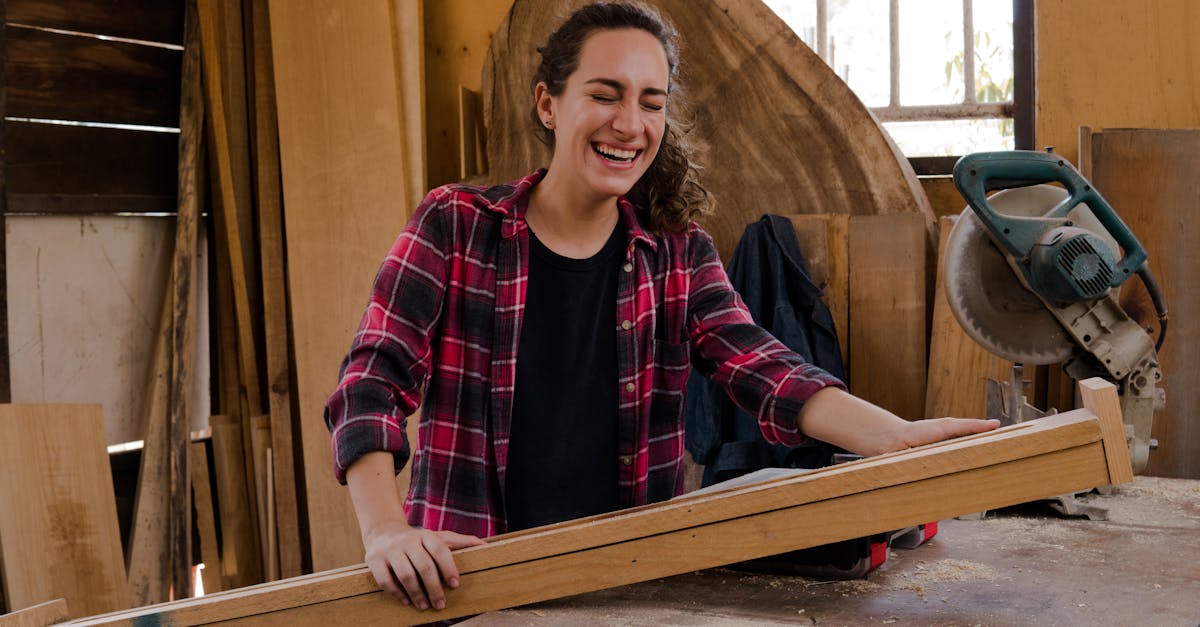
The Process of Creating Unique Furniture Pieces in Geelong
Table Of Contents
Finishing Touches That Enhance Aesthetic Appeal
The final details of a furniture piece can make a significant difference in its overall appearance. Techniques such as sanding, varnishing, and polishing create a smooth and visually appealing finish. Each step adds depth and texture, enhancing the natural beauty of the materials used. A well-applied finish not only elevates the furniture’s aesthetic but also protects it from wear and tear.
Different styles often call for specific finishing techniques that align with the desired look. Achieving a rustic charm may involve distressing wood or applying a matte glaze, while a sleek contemporary piece might benefit from a high-gloss coat. These finishing touches not only reflect the craftsmanship behind the creation but also allow furniture makers to express their unique vision, ultimately resulting in one-of-a-kind pieces that resonate with their audience.
Choosing the Right Stains and Paints
Selecting the appropriate stains and paints is crucial in achieving the desired look for furniture pieces. Each option carries its unique characteristics that can dramatically alter the appearance and finish. For instance, stains penetrate the wood, enhancing its natural grain while offering varying degrees of colour. Transparent stains allow the beauty of the wood to shine through, while solid colours can create a more uniform and contemporary aesthetic.
When it comes to paints, durability and texture become essential factors in the decision-making process. Matte finishes offer a sophisticated look, while glossy options provide a polished, modern appeal. Additionally, considering the environment where the furniture will be placed can guide the choice of products. Outdoor pieces require weather-resistant finishes to endure the elements, whereas indoor furniture might prioritise aesthetics and feel over endurance.
Local Artisans and Their Influence
In the heart of Geelong, local artisans play a vital role in shaping the furniture landscape. Their skills and cultural heritage contribute to designs that embody both tradition and innovation. Many artisans draw inspiration from the natural beauty of the region, incorporating local materials into their creations. This connection to the environment helps to create pieces that reflect the spirit of Geelong while promoting sustainability.
The influence of these skilled craftspeople extends beyond individual creations. They often collaborate with one another and engage with the community, leading to unique collaborative projects that showcase the diverse talents present. Workshops and local markets provide platforms for artisans to share their expertise and connect with potential customers. Such interactions forge a strong community bond while elevating the overall appreciation for handcrafted furniture in Geelong.
Community Contributions to Furniture Design
Local communities play a crucial role in shaping unique furniture design through collaborative efforts and shared resources. Artisan collectives often emerge as hubs of creativity, where ideas are exchanged freely among craftsmen and designers. These groups foster an environment where traditional techniques are married with modern aesthetics, resulting in one-of-a-kind pieces that reflect the community’s character. Workshops and events provide opportunities for aspiring designers to learn from established artisans, enhancing skills and broadening the design landscape.
In Geelong, community markets showcase locally made furniture, allowing for direct interaction between creators and consumers. This exchange nurtures a deeper appreciation for handcrafted items and boosts local economies. Organised design competitions encourage innovation and foster a spirit of friendly rivalry among artisans. Such initiatives not only elevate the profile of local craftspeople but also strengthen the identity of Geelong as a destination for unique, handcrafted furniture.
The Role of Technology in Furniture Creation
Advancements in technology have significantly transformed the furniture creation landscape. Designers and artisans now incorporate tools such as computer-aided design (CAD) software to visualize their concepts, allowing for precise measurements and a detailed understanding of proportions. This technological integration not only streamlines the design process but also enhances collaboration among team members, leading to more innovative and tailored pieces.
Furthermore, the emergence of CNC machining has revolutionised the way furniture is manufactured. This technology facilitates the automated cutting and shaping of materials, enabling artisans to produce complex designs with remarkable accuracy. As a result, the possibilities for unique creations expand, allowing local craftspeople to push the boundaries of traditional furniture design while maintaining high-quality standards.
Innovative Tools and Software
Advancements in technology have significantly transformed the furniture-making industry. Innovative tools such as CNC routers and laser cutters allow artisans to achieve precision that manual methods cannot match. These machines enable the creation of complex designs and intricate patterns, pushing the boundaries of traditional craftsmanship. Alongside these tools, software programs specialised for furniture design offer features that streamline the planning process. 3D modelling software, for instance, allows designers to visualise their creations in a virtual space, making alterations before committing to physical production.
In addition, software that integrates with manufacturing equipment further enhances efficiency. Designers can input their specifications directly, reducing the chances of error during production. Automation has also made it feasible for small workshops to operate on a larger scale, fostering creativity without compromising quality. As technology continues to advance, furniture makers in Geelong are maximising these resources, blending artistry and innovation. This evolution not only enriches their creations but also allows them to cater to modern consumer preferences.
FAQS
What materials are commonly used in creating unique furniture pieces?
Common materials include timber, metal, glass, and fabric, with many artisans opting for sustainable and locally sourced options to enhance uniqueness.
How can I choose the right finish for my furniture piece?
Selecting the right finish involves considering the intended use, the desired aesthetic, and the type of material. Stains and paints can enhance the natural beauty of the wood or provide a bold look.
Are there local artisans in Geelong who specialise in custom furniture?
Yes, Geelong is home to many talented local artisans who specialise in custom furniture design, often incorporating community values and individual styles into their creations.
How does technology influence furniture creation today?
Technology plays a significant role in furniture creation through the use of innovative tools and software, allowing for precision in design, efficiency in production, and the ability to create intricate designs.
What role does community play in furniture design in Geelong?
Community contributions are vital in Geelong's furniture design scene, as local feedback and preferences often shape the styles and functionalities of the pieces created by artisans.
Related Links
Collaborating with Clients: Custom Furniture Projects in GeelongSustainable Materials in Custom Furniture Making for Geelong Homes
Trends in Custom Furniture Styles for Geelong Residents
Understanding the Craftsmanship Behind Geelong's Custom Furniture
Transforming Spaces: The Role of Custom Furniture in Geelong
The Importance of Personalised Custom Furniture in Geelong
Enhancing Interiors: Custom Furniture Solutions by Geelong Carpenters
Crafting Bespoke Furniture: The Geelong Carpenters' Approach
Innovative Ideas for Custom Furniture Design in Geelong