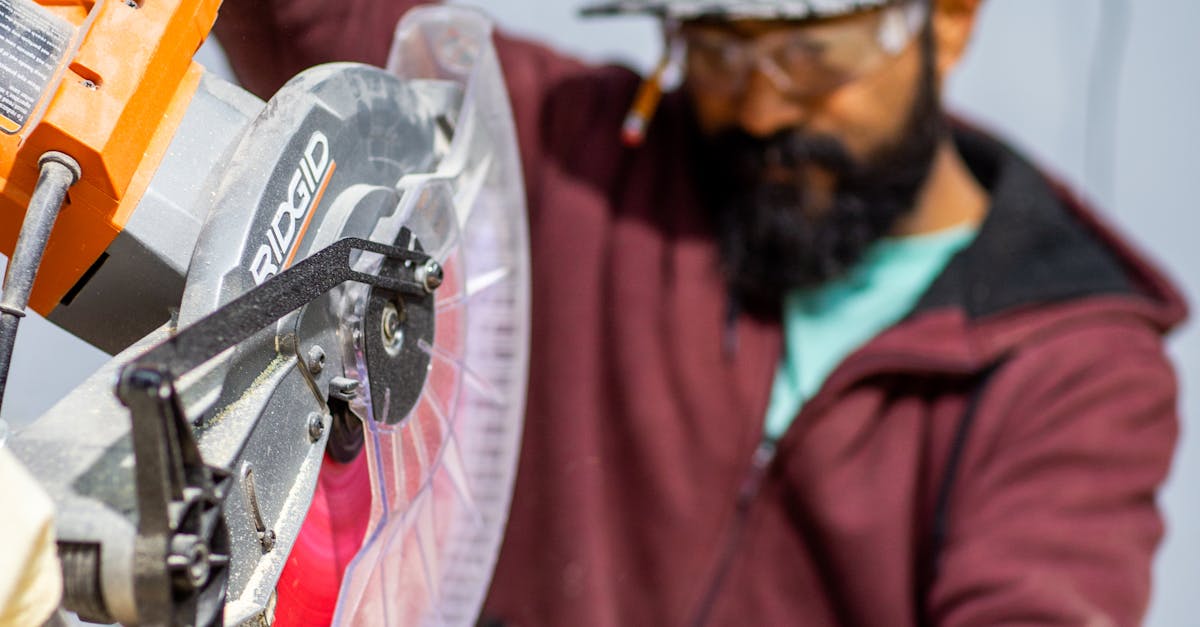
Understanding the Different Types of Saws for Hand-Cutting
Table Of Contents
Bow Saws
A bow saw is a traditional hand saw designed primarily for cutting green wood, making it an excellent tool for those who work with living trees or freshly felled logs. Its frame, shaped like a bow, allows for a long, straight blade that features a tooth pattern specifically suited for rapid cutting. The design enables a user to apply significant force while maintaining control, making it ideal for tasks like limb trimming or cross-cutting small branches.
When selecting a bow saw, one should consider the blade length and tooth configuration based on the intended use. Longer blades tend to facilitate deeper cuts, while shorter blades provide better manoeuvrability for intricate work. Additionally, ensuring a firm tension on the blade improves cutting efficiency and reduces the risk of breakage. The comfort of the handle also plays a crucial role, as it impacts the user's ability to handle the saw effectively over extended periods.
How to Choose the Right Blades for Bow Saws
Selecting the appropriate blades for bow saws involves understanding tooth design and spacing. Blades with fewer teeth per inch (TPI) excel in cutting through green wood due to their aggressive bite, while blades with a higher TPI provide smoother cuts suited for harder, seasoned timber. The configuration of the teeth affects not only cutting efficiency but also the finish of the wood surface.
Consider the length and width of the blade, as these factors influence the saw's performance. A longer blade may allow for deeper cuts, while a wider blade offers more stability in challenging materials. It’s essential to choose blades that match the type of wood and the intended application, ensuring both precision and ease during cutting tasks.
Hacksaws
A hacksaw is a versatile tool designed to cut through a variety of materials, including metal, plastic, and wood. It features a fine-toothed blade, which can be easily replaced, making it suitable for both general DIY tasks and more specialised projects. The frame of a hacksaw holds the blade in tension, allowing for precise control during cutting, which is especially important when working with harder materials. Many hacksaws come with adjustable frames, accommodating different blade lengths and widths to suit various cutting needs.
Using a hacksaw effectively requires an understanding of its components and proper technique. Gripping the handle firmly while maintaining a straight and steady cutting motion helps ensure clean cuts. Users should apply consistent pressure during the operation rather than forcing the saw, as this can lead to blade damage or inaccurate cuts. Regular inspection of the blade is essential, as worn teeth can compromise performance. Becoming familiar with the specific blades designed for different materials will significantly enhance the hacksaw's effectiveness in any project.
Care and Maintenance of Hacksaws
Proper care and maintenance are essential for ensuring the longevity and effectiveness of hacksaws. After each use, it's important to clean the blade and frame to remove any debris or residue. This can be easily accomplished with a soft cloth and, if necessary, a mild detergent. Regularly inspecting the blade for signs of wear or damage can prevent inefficient cutting and ensure safety during use. Storing the hacksaw in a dry, safe place will also help avoid rust and other forms of deterioration, thereby maintaining its performance over time.
In addition to routine cleaning, blade replacement plays a vital role in the maintenance of your hacksaw. Dull blades not only compromise cutting efficiency but can also lead to frustration and increased fatigue during work. When replacing blades, ensure that you choose the correct type and size for your specific hacksaw model. Taking the time to align the blade properly will enhance its cutting ability and prevent unnecessary strain on both the user and the tool itself. Regular maintenance will ultimately result in a well-functioning hacksaw ready for a variety of tasks.
Tenon Saws
These saws are specifically designed for making precision cuts in wood joints, particularly when creating tenons for mortise and tenon joints. Their stiff back provides stability during cutting, allowing for clean and accurate lines. Typically, a tenon saw features a shorter blade compared to other hand saws, making it easier to control and manoeuvre in tight spaces. The fine-toothed blade ensures a smooth finish, which is vital for achieving a snug fit when assembling furniture or cabinetry.
When choosing a tenon saw, it is important to consider the size of the teeth and the type of handle. A saw with a higher tooth count will yield a finer cut, while a coarser blade can make quicker work of thicker materials. Handles come in various shapes and materials, affecting both comfort and grip during use. A well-designed handle will reduce fatigue, allowing for better precision over extended periods. Understanding these factors will enable woodworkers to select the best tenon saw for their specific needs.
Differentiating Between Various Tenon Saw Types
Tenon saws come in several variations, each designed for specific cutting needs. The distinction between different types lies mainly in their size, tooth count, and blade thickness. A gent's saw is smaller, popular for delicate tasks and tight spaces. In contrast, a larger tenon saw offers more stability for making precise cuts on thicker materials. This versatility allows woodworkers to choose a saw that best suits their project requirements.
The tooth count significantly influences the performance of a tenon saw. Finer teeth provide cleaner cuts, making them ideal for precise joinery. Coarser teeth, however, enable quicker cuts, suitable for faster trimming and rough shaping. The blade thickness also plays a role; thicker blades offer greater support during cuts, ensuring accuracy and reducing the risk of bending. Understanding these distinctions can help users select the appropriate tenon saw for their specific applications.
FAQS
What is a bow saw primarily used for?
A bow saw is best suited for cutting green wood, making it an ideal choice for gardening and outdoor tasks.
How do I select the right blades for my bow saw?
When choosing blades for bow saws, consider the tooth count and type based on the wood species and thickness you are cutting. Coarser teeth are better for faster cuts in green wood, while finer teeth are suitable for dry wood.
What materials can a hacksaw cut?
Hacksaws are versatile and can cut through various materials, including metal, plastic, and some types of wood, depending on the blade used.
How should I maintain my hacksaw?
Regular maintenance of a hacksaw involves keeping the blades clean, checking for wear and tear, and ensuring the frame is not bent. It's also important to replace dull blades promptly for optimal performance.
What makes tenon saws ideal for joint work?
Tenon saws have a fine tooth pattern and a rigid blade, which allows for precise cuts, making them perfect for creating strong joints in woodworking projects.
Are there different types of tenon saws?
Yes, there are various types of tenon saws, including panel saws and carcass saws, each designed for specific cuts and joint configurations. Understanding these differences can help you choose the right saw for your task.
Related Links
Must-Have Measuring Tools for Precision in CarpentrySpecialty Hand Tools for Detailed Woodwork in Geelong
A Beginner’s Guide to Essential Hand Tools in Carpentry
Comparing Hand Tools vs Power Tools: A Carpenter’s Perspective
Ergonomic Hand Tools: Enhancing Comfort During Carpentry Work
The Role of Hand Tools in Traditional Carpentry Techniques
Maintenance Tips for Longevity of Your Hand Tools
How to Choose the Right Hand Tools for Your Carpentry Projects
Essential Hand Tools Every Carpenter in Geelong Should Own